
“Finding an effective diet plan is essential in today’s fast-paced environment, especially as obesity and abrupt weight gain have become serious health issues. in today’s fast-paced environment. Excess weight can cause major health problems like diabetes, thyroid imbalances, and heart disease if it is ignored. Many people hurry to the gym or attempt drastic diets, yet they frequently fail to see results because of small, invisible errors. Renowned nutritionist Shilpa Arora offered a very practical and successful solution on her channel. Let’s explore this straightforward 30-day eating plan that will help you naturally lose up to 5 kilos.
Understanding the Science of Weight Loss
To successfully lose 5kg in 30 days, it is essential to understand how your body burns fat. Weight loss operates primarily on a calorie deficit, meaning you burn more calories than you consume. However, a strict or crash diet can slow down your metabolism, leading to muscle loss instead of fat loss.
This doctor-approved diet plan focuses on nutrient-dense, low-calorie foods that naturally stimulate your metabolism. By integrating thermogenic ingredients like fenugreek and amla, your body shifts into a fat-burning mode while maintaining high energy levels throughout the day.
You can lose five kilos in a month :

Fenugreek water on an empty stomach :
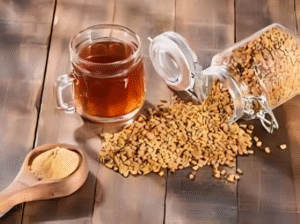
How To Prepare : soak one teaspoon of fenugreek (methi) seeds in a glass of water for the entire night.
How to consume: Chew the soaked seeds after drinking this water first thing in the morning on an empty stomach.
Why it works: Fenugreek water is a tried-and-true treatment that naturally increases your metabolism and keeps you active all day, according to dietician Shilpa Arora. It greatly lessens unhealthy mid-day cravings, balances hormones, enhances digestion, and helps control blood sugar levels, all of which facilitate weight loss.
Eat these for breakfast :
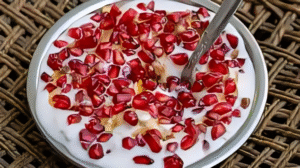
Breakfast must include the ideal ratio of fiber to protein if you want to start the day with a lot of energy. The top choices suggested for this 30-day strategy are as follows:
Option 1 (Doctor’s Core Recommendation): Fill a bowl with 50 grams of fresh yogurt. Add one teaspoon of flaxseed powder, two to four walnuts, and a handful of pomegranate seeds. Stir it thoroughly. Packed with probiotics, good fats, and antioxidants, this potent concoction boosts your metabolism and promotes intestinal health.
Option 2 (Alternative Healthy Choices): For a change of pace, try boiled eggs, oatmeal topped with nuts, or light South Indian breakfasts like Poha, Vegetable Idli, or a low-oil tandoori Paneer Dosa. These complex carbohydrates keep your blood sugar steady and satisfy your hunger for many hours.
Why this Breakfast Combo is a Game Changer :
-
Yogurt (Probiotics): It populates your gut with healthy bacteria, which plays a massive role in regulating body weight and improving digestion.
-
Pomegranate (Fiber & Antioxidants): Pomegranates are rich in polyphenols that help suppress appetite and prevent emotional overeating.
-
Walnuts (Healthy Fats): Packed with Omega-3 fatty acids, walnuts keep your brain sharp and signal fullness to your hormones.
-
Flaxseeds (Metabolism Booster): High in soluble fiber, flaxseeds expand in your stomach, keeping hunger pangs at bay for hours.
Mixture of Amla and Turmeric :

Dr. Shilpa Arora recommends consuming a fresh glass of amla (Indian gooseberry) and turmeric juice between breakfast and lunch (about 11:00 AM).
Why it works: This mid-meal beverage has a potent detoxifying effect. Amla provides a significant amount of vitamin C, and turmeric lowers inflammation within the body. When combined, they increase your immunity right away, speed up the burning of calories, and maintain a high metabolic rate before lunch.
Eat Meals with Protein and Fiber. :

The most stable meal of the day should be lunch. Put a lot of emphasis on protein and fiber to maintain stable energy levels and avoid fat storage.
The Ideal Menu for Lunch:
- A bowl of seasoned lentils (dal) or curry made with chickpeas (chana).
- A moderate amount of rice, especially brown rice.
- a cup of buttermilk or fresh curd.
- A squeeze of lemon juice and a big bowl of fresh veggie salad.
Why it works: Fiber helps with digestion and prevents blood sugar surges, while protein promotes muscle upkeep. Overeating is avoided and late-afternoon cravings are naturally suppressed by this combo.
Light dinner & The 7:00 PM Rule :
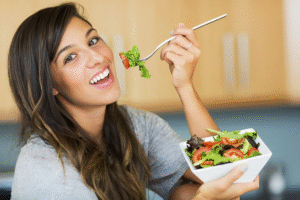
How quickly you lose weight depends on what you eat in the evening. Your dinner needs to be light, low in calories, and easily digested in order to burn the most fat.
Options for a Healthy Dinner:
- A two-egg white omelette or bhurji filled with onions, tomatoes, and mushrooms.
- A fresh green Pesarattu (moong dal dosa) with a little paneer stuffing is a great high-protein option for vegetarians.
- After supper, do you have a sweet tooth? Chewing on a single tiny piece of dark chocolate (85% cocoa) will satiate it.
The Golden Rule of 7:00 PM :
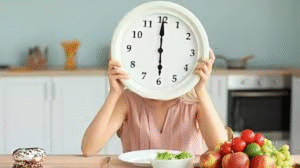
Dr. Shilpa Arora says you have to eat your final meal by 7:00 PM. Your liver will have plenty of time to relax and purify the body overnight if you close your kitchen early. Steer clear of processed carbohydrates (rice, white bread), hefty fried foods, drinks, and late-night coffee after 7:00 PM. Before going to bed, try a cup of warm chamomile tea or a clear vegetable soup if you are truly hungry later in the evening.
What Happens to Your Body After 7:00 PM?
When you stop eating after 7:00 PM, your body undergoes a process called Intermittent Fasting during your sleeping hours. Since there is no new food to digest, the body is forced to tap into stored fat reserves for energy.
Furthermore, eating late disrupts your circadian rhythm and spikes your insulin levels, which directly signals the body to store fat around the belly area. Finishing your dinner early guarantees deep sleep, balanced cortisol (stress hormone) levels, and a flatter stomach over the 30-day period.
Smart Eating Rules for Lunch and Dinner
To maximize the results of this 30-day weight loss journey, you must adhere to a few mindful eating practices:
- Portion Control: Even when eating healthy foods like brown rice or lentils, keep your portions monitored. Use smaller plates to psychologically satisfy your hunger.
- The 20-Minute Rule: Chew your food slowly. It takes about 20 minutes for your stomach to signal your brain that it is full. Eating too fast always leads to consuming extra calories.
- Stay Hydrated: Drink at least 3 liters of water daily. Often, our bodies mistake dehydration for hunger, causing us to snack unnecessarily. Avoid drinking water immediately before or after your meals; maintain a 30-minute gap.
5 Bonus Tips to Accelerate Your Weight Loss
While this diet plan is powerful enough to yield results on its own, adding these simple lifestyle tweaks will speed up your progress:
- 7-8 Hours of Sleep: Lack of sleep triggers the hunger hormone ‘Ghrelin’, making you crave sugary and fatty foods the next day.
- Daily Walking: You don’t need intense gym workouts. A brisk 30-to-45-minute walk every evening or morning will significantly increase your daily calorie burn.
- Eliminate Liquid Calories: Say a strict no to packaged fruit juices, sweet teas, sodas, and energy drinks. Stick to plain water, coconut water, or buttermilk.
- Manage Stress: High stress produces cortisol, which slows down fat metabolism and locks fat around your abdominal organs. Practice 5 minutes of deep breathing daily.
- Track Your Progress: Weigh yourself once a week on an empty stomach instead of checking the scale every day. Notice how your clothes fit better!
🙋♂️ Frequently Asked Questions (FAQs) –
Q1. Can vegetarians follow this weight loss diet plan?
Ans: Yes, absolutely! This diet plan is highly adaptable for vegetarians. If you do not eat eggs, you can easily replace them with high-protein vegetarian alternatives. Instead of a morning egg omelette, you can have a fresh Pesarattu (Moong Dal Dosa) with a light paneer stuffing, Soya Chunks stir-fry, or a bowl of boiled Sprouted Moong Salad. These options provide the same amount of clean protein and fiber to keep you full.
Q2. What can I eat instead of eggs for breakfast?
Ans: If you are looking for egg substitutes that match the protein profile, you can opt for:
- Paneer Bhurji: 50-60 grams of low-fat paneer tossed with onions, tomatoes, and green chilies.
- Chia Seed Pudding: Chia seeds soaked in almond milk or skimmed milk overnight, topped with 2 walnuts.
- Moong Dal Cheela: A savory pancake made from soaked moong dal paste, which is incredibly rich in plant-based protein.
Q3. How much water should I drink daily during this 30-day challenge?
Ans: You should aim to drink at least 3 to 4 liters of water daily. Water is crucial for flushing out toxins during a fat-loss journey. It also boosts your metabolism through thermogenesis.
-
Smart Tip: Many times, our brain confuses thirst with hunger, leading to unnecessary snacking. Drinking a glass of water when you feel an untimely craving can help control your appetite. However, remember to maintain a 30-minute gap before and after your major meals.
Q4. Can I drink tea or coffee while following this diet?
Ans: Yes, you can enjoy your daily cup of tea or coffee, but with a few strict rules:
- Completely eliminate refined sugar. You can use a small amount of stevia or jaggery if necessary, though having it black or plain is best.
- Avoid using heavy full-cream milk; prefer skimmed milk or almond milk.
- Do not consume tea or coffee after 4:00 PM, as the caffeine can disrupt your sleep cycle, increase cortisol (stress hormone) levels, and block night-time fat metabolism.
Q5. What should I do if I feel hungry after 7:00 PM?
Ans: If you genuinely feel hungry after closing your kitchen at 7:00 PM, do not reach for processed snacks or leftovers. Instead, you can have:
- A warm cup of Chamomile Tea (helps with deep sleep).
- A clear, strained Vegetable Soup (low calorie, high water content).
- 4-5 soaked and peeled almonds. Avoid eating heavy carbohydrates or sugary foods at night, as they spike insulin and instantly lead to belly fat storage.
Note :
This is just for general knowledge. It is in no manner a replacement for any medication or therapy. Before doing any of these, always get more information from your doctor. These contents are not recommended by Luckytalks. Luckytalks is not liable for the efficacy or accuracy.
For more Information : Home Health tips , Entertainment, food Technology
About the Author